Loading...
Serving Fond du Lac, WI and surrounding areas. (920) 375-8490
Sloping yards and shifting soil cause real damage. We build retaining walls with frost-depth footings and proper drainage so your yard stays put through every Wisconsin winter.
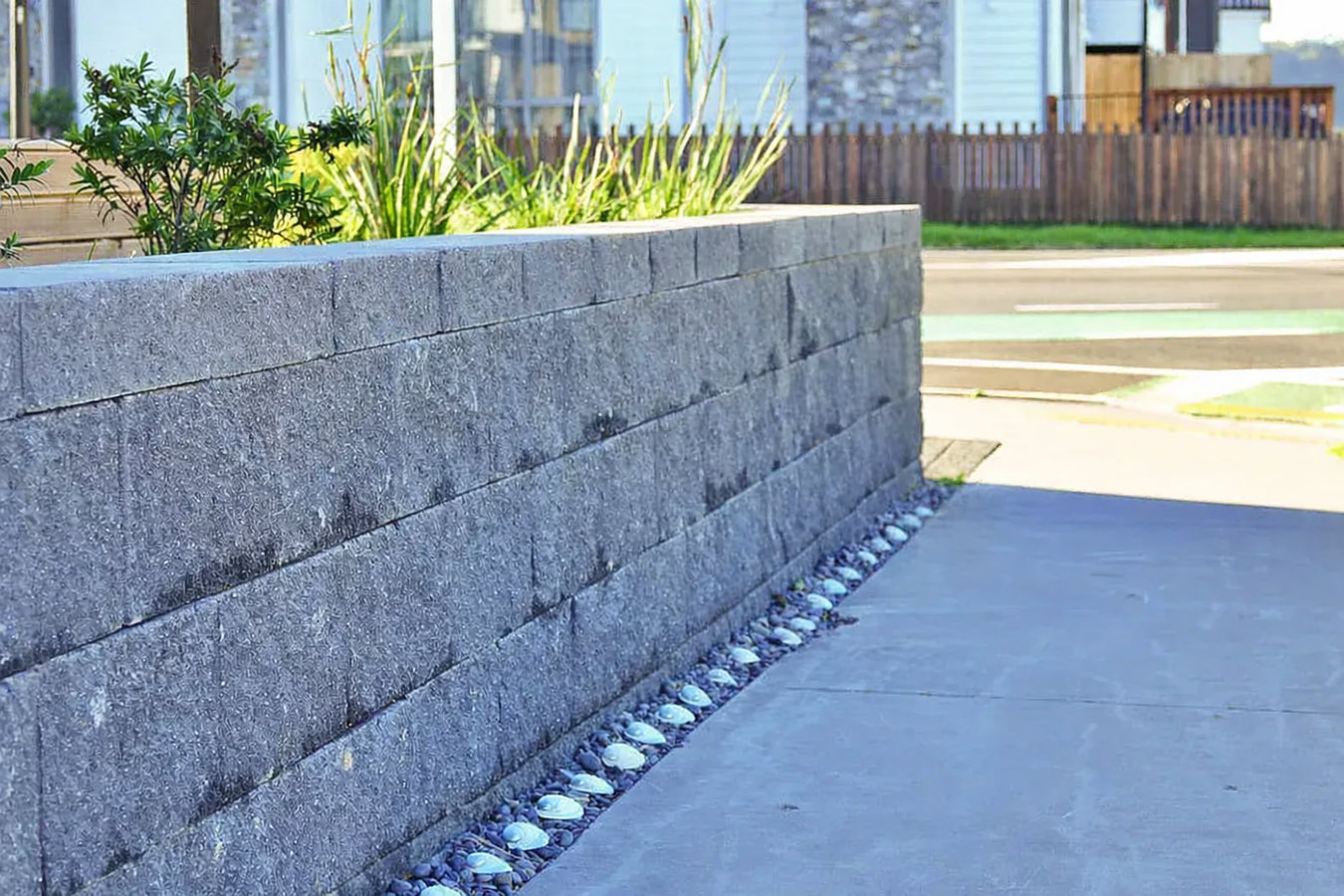
Concrete retaining walls in Fond du Lac hold back soil on slopes and hillsides so it does not slide, erode, or wash away during heavy rain. Most residential projects - poured concrete or concrete block walls at a moderate height - take two to four days from excavation to finished pour, depending on wall length and complexity.
If you have a sloped yard that loses soil every spring or an existing wall that is starting to lean, a properly built concrete retaining wall solves the problem permanently. The work involves more than just the visible surface - deep frost footings and drainage installed behind the wall are what make the difference between a wall that lasts 50 years and one that fails in five. If you are also dealing with hard surface damage near the slope, our concrete floor installation service can address related settling issues indoors.
After a heavy rain, you notice soil moving downhill or mud collecting at the base of a slope. In Fond du Lac, where clay soils do not absorb water quickly and spring rains can be intense, this kind of erosion can accelerate fast once it starts. Left unaddressed, the slope will lose more ground each season.
If your existing retaining wall is no longer standing straight - or you can see cracks running through it or sections pushing outward - the pressure behind it has become too much. In Wisconsin's freeze-thaw climate, a compromised wall gets worse every winter until it fails completely.
When a sloped yard lacks proper grading or a retaining wall, rain runs straight toward your house. If you notice water collecting near your foundation or wet basement walls after storms, a retaining wall combined with regrading may be part of the solution. Ignoring this can damage your foundation over time.
When soil shifts on a slope, it can pull the ground out from under nearby hard surfaces. If your driveway or patio is cracking or developing low spots near a hillside, the underlying soil movement is often the cause. A retaining wall stabilizes the slope and stops the movement that is damaging the surface above.
We build both poured concrete and concrete block retaining walls for residential and commercial properties throughout the Fond du Lac area. Poured concrete walls are better suited for taller applications where maximum strength is required, while concrete block walls work well for garden-level projects and tiered landscaping. Both types are built with footings set below Wisconsin's frost line and full drainage systems installed behind the wall.
Many retaining wall projects also connect to other concrete work on the property. If your slope project involves adding a patio or outdoor living area at the new grade level, our concrete steps construction service can tie the two together with a cohesive, durable result.
Best for taller walls or applications where high strength and a solid appearance are the priority.
Ideal for garden-level terracing, raised beds, and shorter walls where a more traditional look fits the yard.
Suits steeply sloped lots where multiple stepped walls create level areas more effectively than one tall wall.
For homeowners with clay soils or known drainage issues - every wall includes gravel backfill and perforated drain pipe as standard.
Fond du Lac sits at the southern tip of Lake Winnebago, and the city takes stormwater management seriously because runoff flows toward the lake. Many properties in the area sit on glacially deposited clay soils that hold water instead of draining it - which means pressure builds up behind a retaining wall faster here than it would in sandier soil. A contractor who understands these local conditions will plan for robust drainage behind every wall, not just go through the motions. The ground also freezes to roughly 48 inches in a hard winter, so a footing that does not reach below that depth is going to move.
Homeowners in Oshkosh and Sheboygan face similar soil and climate conditions, and we serve both communities. The construction season here runs from late April through October at best - if you are planning a project, getting on a contractor's schedule in late winter or early spring is the only reliable way to avoid being pushed to the following year. You can learn more about Wisconsin's concrete construction standards at the American Concrete Institute and permit requirements through the Wisconsin Department of Safety and Professional Services.
We respond to requests within one business day and schedule a free on-site visit to see your slope, soil, and drainage situation before quoting. You get a detailed written estimate - not a vague range over the phone.
If your wall requires a permit - which is typical for anything over a few feet tall - we submit the application to the City of Fond du Lac's building department and wait for approval before touching your yard.
We excavate well below the frost line - typically four feet or more in this climate - and set the footing correctly so the wall stays put regardless of how hard the winter gets. Expect some temporary disruption to the yard during this phase.
We form and pour the wall, then install gravel backfill and drainage pipe behind it before backfilling. After the concrete cures, the city inspector signs off and you receive all permit documentation for your records.
We respond within one business day, provide a free on-site estimate, and handle permits from start to finish.
(920) 375-8490Every wall we build has its footing placed well below the 48-inch frost depth typical for the Fond du Lac area. That is the single biggest factor separating walls that stay straight for decades from walls that start leaning after a few hard winters.
We install gravel backfill and perforated drain pipe behind every wall we build - not as an add-on, but as standard practice. Fond du Lac's clay soils hold water, and a wall without drainage will eventually lose to that pressure.
We pull every required permit and coordinate city inspections so your wall is fully documented. That paperwork matters when you sell your home - unpermitted retaining walls are a real issue that can stall or complicate a sale.
You get a detailed written quote that breaks down excavation, footing, the wall itself, drainage, and cleanup separately. No single lump-sum numbers that balloon after the project starts. The Portland Cement Association notes that proper documentation of scope is one of the strongest protections a homeowner has - see more at{' '}<a href='https://www.cement.org' target='_blank' rel='noopener noreferrer' className='underline'>cement.org</a>.
Retaining walls are structural work - they hold back real weight and face real freeze-thaw stress every year. Choosing a contractor based on price alone without asking about footing depth and drainage is a risk that tends to show up a few winters later. We have been doing this work since 2024 and we build walls the same way whether the project is small or large.
New slabs for garages and basements, built with compacted gravel bases suited to Fond du Lac's clay soils and freeze-thaw winters.
Learn MoreExterior and interior concrete steps that complement your retaining wall project with the same frost-depth construction standards.
Learn MoreFond du Lac's construction season is short - good crews fill up fast once the ground thaws, and getting on the schedule now means your project gets done this year.