Loading...
Serving Fond du Lac, WI and surrounding areas. (920) 375-8490
Cracked, uneven, or deteriorating floors in your garage or basement are a sign the original slab has run its course. We install new concrete floors with the base prep and thickness this climate demands.
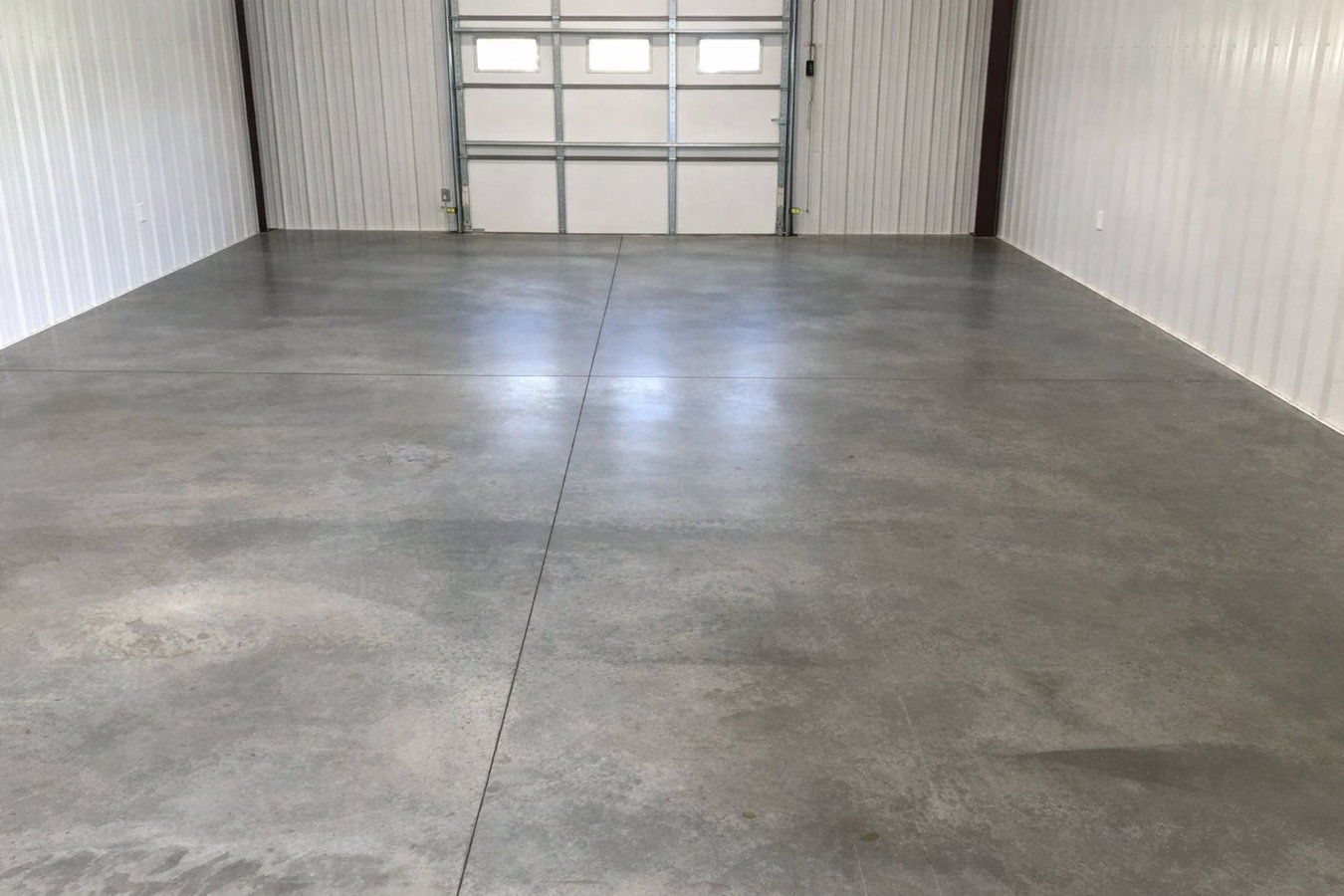
Concrete floor installation in Fond du Lac starts with removing any existing slab, then grading and compacting the soil and laying a gravel base before the pour. Most standard garage or basement floor replacements take one to three days on-site, followed by a curing period before the space is back in use.
Many homes in Fond du Lac were built between the 1950s and 1970s, and their original concrete floors are now 50 to 70 years old. Those slabs were often poured thinner and without the compacted base that is standard today. If your floor is cracking, pooling water, or flaking apart, it is not going to get better on its own - and the longer it sits, the more moisture and structural issues can develop around it. For garage floors specifically, our garage floor concrete service covers replacement as well as new pours.
Small hairline cracks are common in older concrete, but cracks wider than a quarter-inch - or ones that seem to be growing - mean the slab is failing. In Fond du Lac, repeated freeze-thaw winters accelerate this process, especially in slabs poured without adequate base preparation. If you can fit a pencil into a crack, it is time to talk to a contractor.
Puddles forming in low spots on your garage or basement floor mean the slab has settled unevenly because the soil underneath has shifted. This is especially common in Fond du Lac's clay-heavy soils, which expand and contract with moisture and temperature changes. Standing water accelerates deterioration and can lead to mold and moisture problems.
When the top layer of a floor starts to flake off in chips or develops a rough, pitted texture, the surface has begun to break down. This often happens in older Fond du Lac homes where the original slab was not suited to Wisconsin winters, or where road salt tracked in from the garage has eaten into the surface over the years.
Many homes in Fond du Lac's established neighborhoods were built in the 1950s through 1970s, and their original concrete floors are now well past their expected lifespan. Even if a floor looks acceptable on the surface, older slabs often have hidden weaknesses - thin pours, inadequate base material, or no control joints - that make them prone to sudden failure.
We install new concrete floors for garages, basements, workshops, utility spaces, and commercial interiors throughout the Fond du Lac area. Every project starts with proper subgrade preparation - grading, compaction, and a compacted gravel base that lets water drain away from the slab instead of sitting underneath it. Slab thickness is chosen based on how the space will be used: standard four-inch for foot traffic and passenger vehicles, five- or six-inch for heavier equipment or trucks.
For indoor spaces where appearance matters, we also offer decorative finishes that transform a plain slab into something that looks intentional. Our concrete pool decks service uses similar surface finishing techniques for outdoor slabs that need both durability and visual appeal.
For homeowners with cracking, settling, or aging garage slabs that are past repair - includes demo, base prep, pour, and finishing.
New slabs for unfinished or partially finished basements, with thickness and finish options matched to how the space will be used.
Thicker slabs and broom finishes for spaces where heavy equipment, vehicles, or regular foot traffic are expected.
Polished, stained, or smooth-trowel finishes for basement conversions, home gyms, or commercial interiors where appearance matters.
Fond du Lac averages more than 40 inches of snow per year and regularly sees temperatures drop well below freezing from November through March. Every winter, the ground freezes and thaws repeatedly, which causes soil to shift and expand underneath slabs. That means the gravel base preparation and slab thickness matter more here than they would in a warmer climate. A contractor who cuts corners on prep is setting you up for cracked concrete within a few winters - which is exactly the pattern you see in so many Fond du Lac homes that were built decades ago without today's standards.
We serve homeowners in Manitowoc and Green Bay as well, where the same clay soils and freeze-thaw cycles create the same challenges. The reliable pouring window in this region runs from late April through October - homeowners who plan ahead and book in spring get the best conditions and the most contractor availability. The Portland Cement Association publishes detailed guidance on curing and base preparation for cold climates if you want to understand what best-practice concrete construction looks like before you hire.
We schedule a visit to measure the space, assess the existing slab or subgrade, and understand how the area will be used. You get a written quote that breaks out demo, base prep, the pour, and finishing separately - not a single number that hides costs.
We submit the permit application to the City of Fond du Lac's building department and wait for approval before any work begins. The permit process typically takes a few business days and adds only a small cost to the project.
We break up and haul away the old slab, grade and compact the soil, and lay a gravel base before the concrete truck arrives. Pour day is usually a single day for a standard garage or basement floor, after which the space needs to cure before use.
You can walk on the floor lightly after 24 to 48 hours, but vehicles should stay off for at least a week - longer in cooler fall temperatures. We coordinate the city inspection and hand you the permit documentation when everything is signed off.
We respond within one business day, visit your home before quoting, and pull all required permits ourselves.
(920) 375-8490We use a well-compacted gravel base on every project specifically because of the clay-heavy soil conditions in this area. That base layer is what keeps your slab stable as the ground moves through freeze-thaw cycles each year.
A standard four-inch pour suits most homes, but we recommend five- or six-inch slabs for spaces with heavy equipment or commercial traffic. We ask how you plan to use the space before making that call - because thickness affects both cost and how long the floor lasts.
We handle the permit application and inspector visit from start to finish. You receive the completed permit sign-off when the job is done - clean documentation that matters when you eventually sell your home. The National Ready Mixed Concrete Association notes that verified contractor work protects homeowners in ways that unpermitted work cannot. See more at{' '}<a href='https://www.nrmca.org' target='_blank' rel='noopener noreferrer' className='underline'>nrmca.org</a>.
Every quote breaks out demo, base prep, the pour, finishing, and cleanup as separate line items. You know what you are paying for before anyone shows up, and nothing appears on the final invoice that was not in the original written quote.
Floor installation is some of the most straightforward concrete work we do, but it is also work where the hidden steps - base prep, control joint placement, and curing management - make the difference between a floor that lasts 40 years and one that needs attention in a few winters. We have been doing this work since 2024 and we do not cut corners on the steps that do not show.
Outdoor concrete surfaces around pools and outdoor living areas, built with the same base prep and finishing standards as interior floors.
Learn MoreDedicated garage floor replacement service covering everything from demo of the old slab to final broom finish and permit sign-off.
Learn MoreOur spring calendar fills fast - lock in your project date before the best weather window closes and contractor availability tightens.