
Loading...
Serving Fond du Lac, WI and surrounding areas. (920) 375-8490
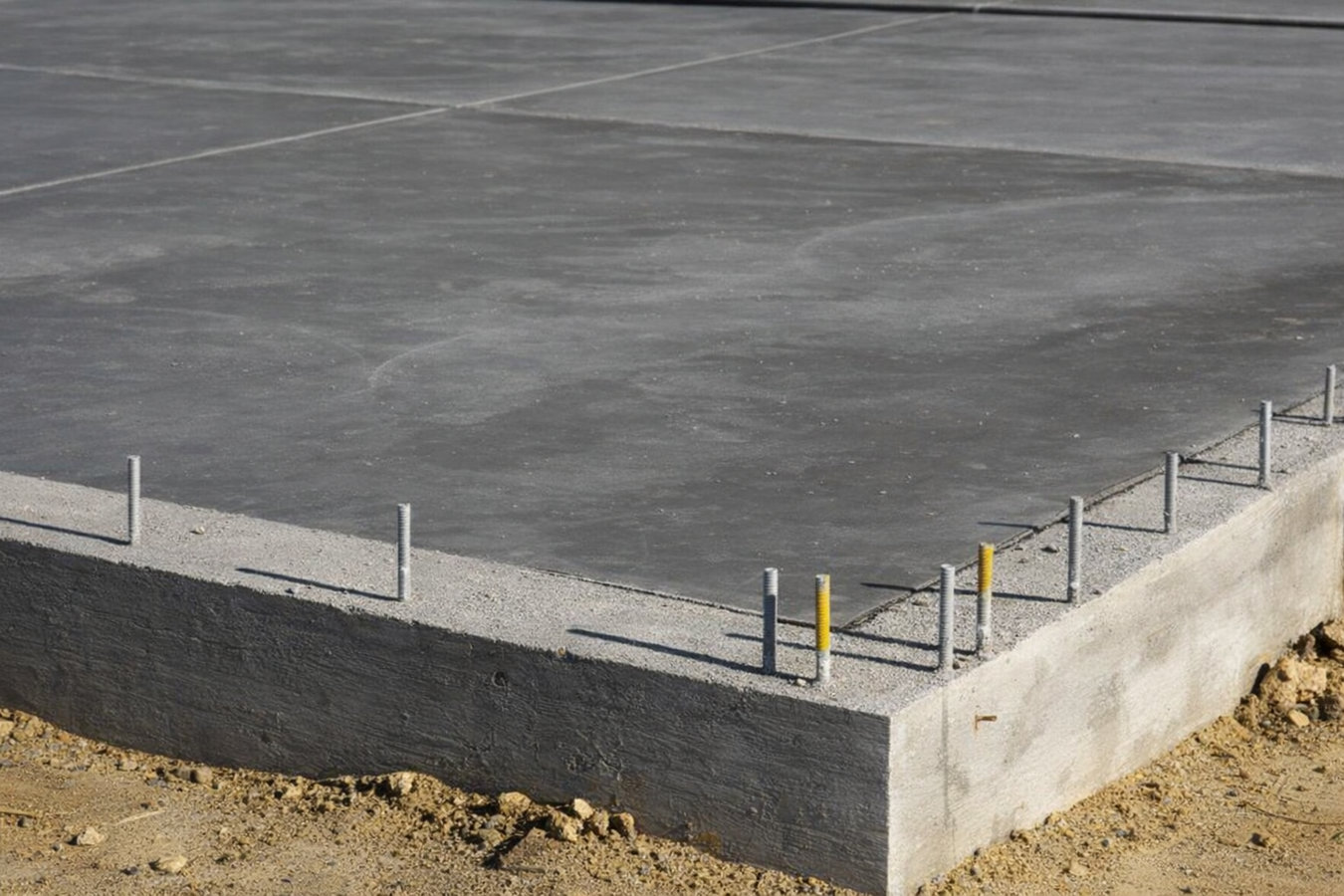
Fond du Lac Concrete serves West Bend homeowners with driveways, slab foundations, patios, retaining walls, and sidewalks - permits pulled from the City of West Bend Building Division, mix specs matched to a 48-inch frost line, and responses within 1 business day.
West Bend additions, detached garages, and new construction all need slab foundations set below the 48-inch frost line to prevent heaving. We pour to City of West Bend spec, coordinate the post-pour inspection, and give you documentation for your permit file. Learn more about slab foundation building.
Driveways in West Bend's older downtown neighborhoods sit over clay-heavy soil that shifts with every freeze-thaw cycle, while newer south-side subdivisions face a different set of drainage challenges. We set proper base depth for each site and cut control joints that keep cracking controlled rather than random.
Yards near the Milwaukee River corridor and on sloped lots throughout West Bend often have soil that erodes toward the house or drops off sharply. A concrete retaining wall stops that movement, creates level usable space, and keeps soil away from foundation walls.
West Bend homeowners invest in their properties for the long term, and a poured concrete patio holds up to Wisconsin winters far better than pavers or pressure-treated wood. We pour flat, pitch for drainage, and can add a broom finish or stamped surface.
Tree roots along the older streets near downtown West Bend routinely push up sidewalk panels, and property owners are responsible for keeping the public walk in front of their home safe. We remove heaved panels, address the root or drainage issue where possible, and pour to grade.
The mid-century ranch and split-level homes that dominate West Bend's middle neighborhoods almost always have attached garages, and those garage slabs take a beating from road salt tracked in off Wisconsin highways. We remove deteriorated slabs, prep the base, and pour a new floor to the correct thickness and finish.
West Bend sits in Washington County, where winters are cold and direct. Frost depth reaches approximately 48 inches during a normal winter, and the city sees repeated freeze-thaw cycles from January through March - temperatures swing above and below freezing dozens of times each season. Every time moisture gets into a small crack in concrete, freezes, and expands, it makes the crack larger. This is not a one-winter problem; it compounds year after year until slabs need full replacement. The city also has a wide range of housing ages: downtown neighborhoods have homes built in the early 1900s with foundations that have been through a century of Wisconsin winters, while the newer subdivisions on the south and north sides are approaching the age where driveways and garage floors need their first major service.
The Milwaukee River flows through the middle of West Bend, and low-lying properties near the river or Regner Park can see saturated soil well into April after snowmelt and spring rains. That wet ground puts pressure on basement walls and under slabs. Clay-dominant soils in this part of Washington County hold moisture instead of draining it, which means base preparation - excavating to proper depth and compacting thoroughly - is not optional here. A slab poured over a compressed clay base without adequate gravel will flex and crack within a few winters. Getting that base right is what separates a 30-year driveway from a 7-year one.
Our crew works throughout West Bend regularly, and we understand the local conditions that affect concrete work here. We pull permits from the City of West Bend Building Division for every applicable project - foundation work in particular requires a post-pour inspection, and we build that inspection window into the project timeline rather than treating it as an afterthought. West Bend permit requirements fall under the city Community Development Department, and we are familiar with the process.
The older neighborhoods near downtown - the streets closest to the West Bend Riverwalk and the Museum of Wisconsin Art - have narrow lots, mature trees with established root systems, and homes that sit close together. That affects staging, access, and how we handle tree root proximity when replacing driveways or walkways. The newer subdivisions on the south side are a different job entirely, with wider lots and newer base conditions. Both are common for us.
We also work regularly in nearby Beaver Dam and Fond du Lac, where similar Washington and Fond du Lac County soil and climate conditions apply. If you want context on local frost and precipitation patterns, the National Weather Service Milwaukee/Sullivan office covers West Bend and publishes seasonal climate data relevant to freeze-thaw cycles homeowners here deal with every spring.
We respond within 1 business day to schedule a free on-site visit. We do not quote prices over the phone - every site in West Bend is different, and we need to see yours before giving you a number.
We measure the area, check base conditions, and review drainage. You receive a written estimate with line items for base prep, materials, permit fees, and timeline - no charges added after you sign.
We submit the required City of West Bend permit before mobilizing. Permit turnaround is typically a few business days to a week. We give you a confirmed start date once it is approved.
Most residential driveways and patios take one to two days of active work. Foundation slabs include a city inspection - we do not consider the job finished until it passes. You receive the permit and inspection records.
We respond within 1 business day to every request from West Bend. No obligation - just an honest on-site assessment and a written estimate you can compare against any other bid.
(920) 375-8490West Bend is the county seat of Washington County and home to about 32,000 residents. The city grew steadily through the twentieth century, which left it with a housing stock that spans nearly every era: two-story Craftsman bungalows and American Foursquares near downtown, postwar ranch and split-level homes throughout the middle neighborhoods, and newer single-family subdivisions that have spread to the south and north since the 1990s. The Milwaukee River runs right through the heart of the city, and the Riverwalk trail along its banks is one of the most-used features of West Bend - connecting the older downtown neighborhoods to Regner Park, the city's largest green space. Washington County consistently ranks among the higher-income counties in Wisconsin, and the homeownership rate here reflects that: most residents own their homes and plan to stay, which means concrete projects get done right rather than cheap.
Major employers include manufacturing firms and Froedtert West Bend Hospital, and many families have lived in the same neighborhoods for generations. That stability shows in the quality of the housing stock - properties are well-maintained, and deferred concrete work tends to get addressed before it becomes a structural issue. From the tree-lined streets near downtown and the Museum of Wisconsin Art to the newer subdivisions on the south side, we have worked on West Bend properties of every age and style. Homeowners in nearby Beaver Dam and Fond du Lac face similar climate and soil challenges and are part of the same service area.
Safe, clean concrete sidewalks installed for homes and businesses.
Learn MoreLevel, finished concrete floors installed for any interior space.
Learn MoreHeavy-duty concrete parking lots built for high-traffic demands.
Learn MoreCall today or send us a message - we respond within 1 business day, come out to your West Bend property for a free estimate, and give you a written quote before any work begins.